
Mikku and Sons Roofing logo, featuring a roof illustration on a transparent background 623-465-1068

How Long Does It Take a Roof to Dry After Rain?

Date: February 27, 2026

A heavy rain event leaves behind more than just puddled driveways and clean gutters. It saturates the roofing materials with moisture that begins a slow migration through the structure. 

The visible surface might appear dry within hours, yet the true condition of the roof lies hidden beneath the shingles. The timeline depends on a precise combination of material density, ambient humidity, and airflow across the surfaces.

A soaked asphalt shingle can release its surface moisture in a single afternoon of strong sun. A wood shake, by contrast, will absorb water deep into its grain and hold it for days. How long does It take a roof to dry after rain? Let's look at the timeline.

The General Timeline

A roof does not dry uniformly, and assigning a single number to the process would be misleading. The surface might lose its visible moisture in a matter of hours, while the substructure retains dampness for a significantly longer period. 

A reasonable estimate for the entire roofing system to return to a dry state falls between one and five days. This range assumes typical weather patterns and does not account for severe saturation or hidden leaks.  

  1. Asphalt Shingle Roofs

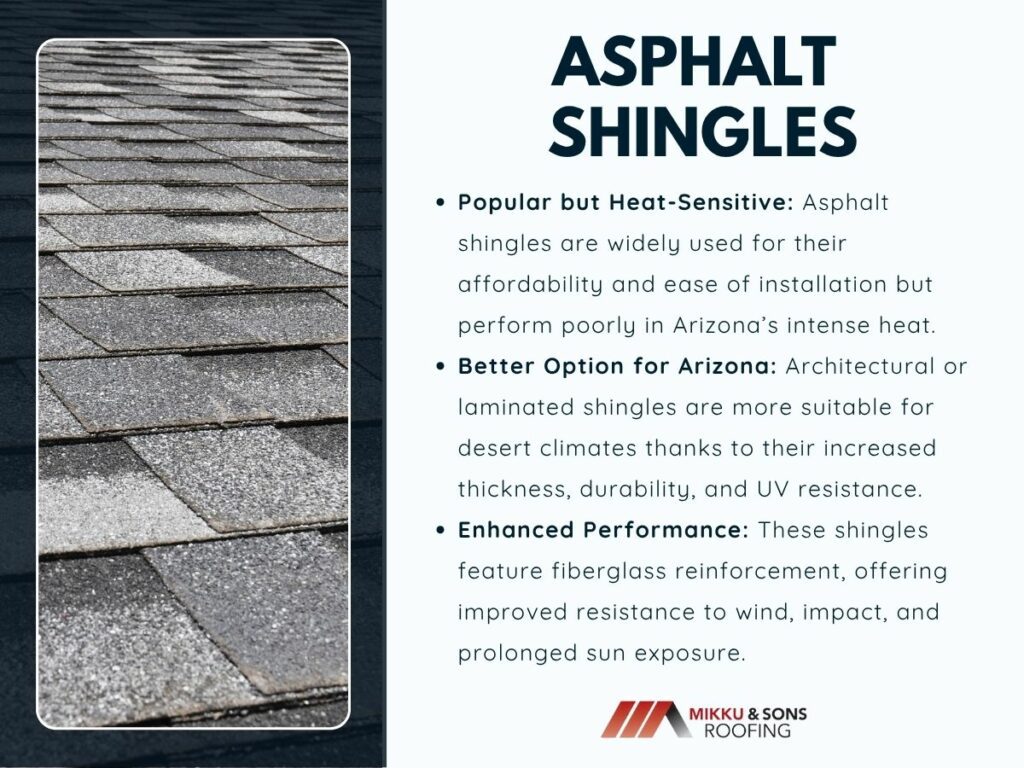
Asphalt shingles dominate residential construction due to their widespread availability and cost. These shingles consist of a fiberglass mat coated with mineral granules and a waterproof asphalt layer. The exposed face of the shingle can appear dry within two to four hours of direct sunlight.

  • The underlying mat resists saturation, so the structural core stays dry under normal conditions.
  • The primary moisture concern with asphalt lies in the overlaps and the flashing details, not the shingle material itself.
  • A properly ventilated attic will pull residual moisture from the underside of the deck within 24 to 48 hours.

The surface repels water effectively, but the edges and gaps between shingles can trap moisture temporarily.
  1. Wood Shakes and Shingles

Wood presents a different challenge because it is a porous, organic material. Cedar and pine shakes absorb water like a sponge, drawing it into the grain where it remains until the air pulls it out.

  • Surface drying occurs within a day, but the internal moisture content stays elevated for much longer.
  • A wood roof can require three to five days of continuous dry weather to reach its pre-rain moisture level.
  • Thicker shakes, often hand-split, hold more water than thinner, machine-cut shingles.

The gap between the shake and the roof deck must remain open to allow airflow, or the wood will rot from the back side.

  1. Tile and Slate Roofs

Tile and slate offer a hard, impervious surface that sheds water instantly. The water runs off these materials without soaking in, which gives the impression of an instantly dry roof. 

  • Clay, concrete, and slate tiles themselves dry in less than an hour after the rain stops.
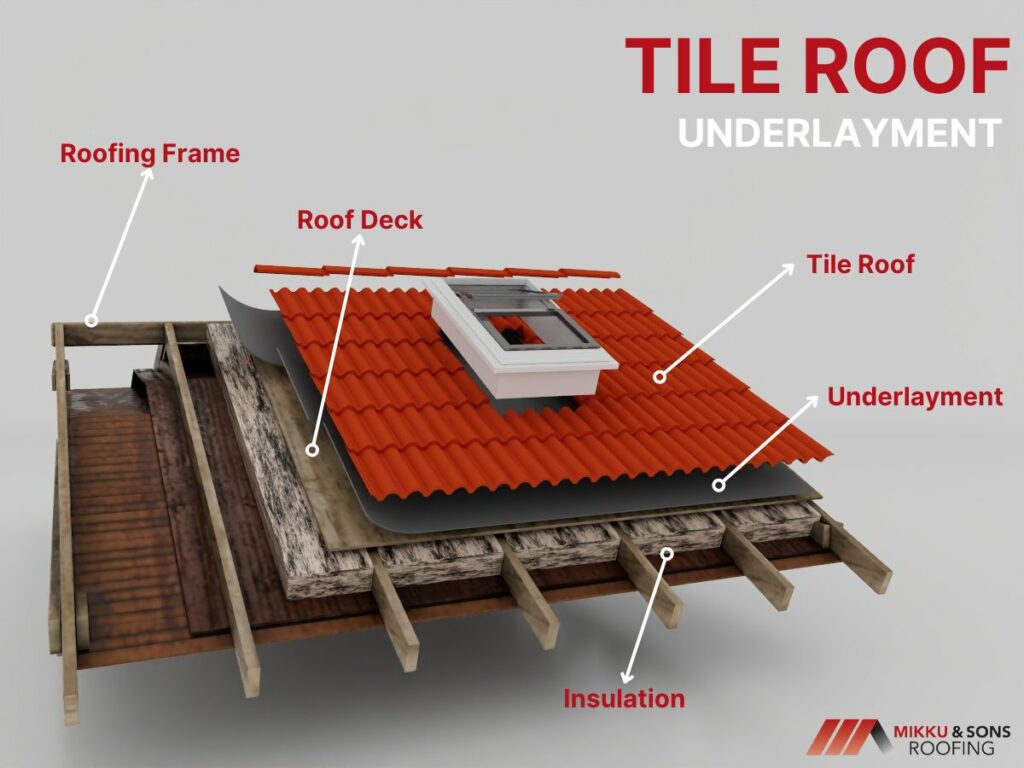
  • The underlayment, a waterproof membrane beneath the tiles, can remain wet for days because it sits in shadow.
  • Tile roofs rely on a gap between the tile and the underlayment to allow air to circulate and dry this hidden layer.
  • The battens or fasteners holding the tile system can corrode if the underlayment stays damp for extended periods.

The danger with these systems lies beneath the tile.
  1. Metal Roofing

Metal panels provide the fastest surface drying time of any roofing material. Water beads on the factory finish and runs off immediately, leaving no place for moisture to cling. 

The seams and fastener locations present the only points of concern.

  • The metal surface dries completely within thirty minutes to an hour after rainfall ends.
  • Standing seam systems with hidden fasteners eliminate most opportunities for trapped moisture.
  • Screw-down metal panels with exposed washers can hold a thin film of water around the fastener heads.

Condensation on the underside of the metal, not the rain itself, often poses the greater drying challenge for this material.

The 3 Big Things That Change the Drying Time

A roof does not exist in a vacuum. The same rainstorm can leave one roof dry in hours while another stays wet for a week. 

The variation comes down to three primary factors that control how water behaves on and within the structure. These elements interact with each other, meaning a disadvantage in one area can extend the drying time significantly 

The Roof Pitch and Sun Exposure

The angle of the roof plane determines how gravity assists the drying process. A steep slope allows water to run off quickly, leaving only a thin film behind. 

A low slope or flat roof holds puddles that must evaporate completely before the surface can dry.

  • Steeper pitches, those above a 6:12 ratio, shed water rapidly and leave minimal residual moisture.
  • Lower slopes allow water to pool, which soaks into seams and flashings over time.
  • The direction the roof faces dictates how much solar heat it receives during the day.
  • South-facing exposures bake in the sun for hours, driving moisture out of the materials.
  • North-facing slopes stay cool and damp, often drying two to three times slower than their southern counterparts.
  • Shade from trees or adjacent buildings blocks ultraviolet radiation and traps humidity against the roof surface.

The Type of Roofing Material

Every roofing material interacts with water differently based on its chemical composition and physical structure. Some materials repel water entirely, while others welcome it into their cellular structure. 

The density and surface texture also affect how water spreads or beads up.

  • Non-porous materials like metal and glass allow water no entry point, limiting drying to surface evaporation.
  • Fibrous materials like wood and some synthetics draw water into their core through capillary action.
  • The surface finish matters significantly. Smooth, glazed surfaces shed water instantly, while granular surfaces hold a thin layer against the granules.
  • Material thickness influences saturation depth. Thicker materials can absorb more water before the back side feels the moisture.
  • Age degrades the water resistance of many materials. Old asphalt becomes brittle and porous, while aged wood checks and splits, creating new channels for water entry.

The Weather After the Rain

The conditions present in the days following a storm dictate how quickly evaporation can occur. A roof subjected to ideal drying weather will recover rapidly, while poor conditions extend the wet period indefinitely.

  • Ambient humidity levels control the air's capacity to absorb moisture. High humidity saturates the air and stops evaporation completely.
  • Air movement across the roof surface removes the saturated boundary layer and exposes fresh material to dry air.
  • Cloud cover blocks solar radiation and keeps surface temperatures low, which slows molecular movement in the water.
  • Subsequent rain resets the clock entirely, adding new moisture before the old moisture has left.
  • Nighttime temperature drops cause condensation to form on cold surfaces, adding moisture back to a roof that appeared dry at dusk.

The Hidden Problem 

Most people judge a wet roof by what they can see from the ground, watching the shingles change from dark to light and assuming the danger has passed. This assumption overlooks the part of the roof that matters most: the structural deck, the layer of wood fastened to the rafters. 

The deck holds the key to long-term performance. Water can reach this layer through capillary action, wind-driven rain, or failed flashings long before a ceiling stain appears.

The Role of the Roof Deck

The deck provides the substrate onto which all other roofing materials attach. It spans the gaps between rafters and carries the weight of snow, workers, and equipment.

  • Plywood consists of thin wood veneers glued together in cross-grained layers. It resists moisture better than solid wood but still absorbs water at the cut edges.
  • OSB uses wood strands compressed with wax and adhesive. The edges swell noticeably when wet and do not return to their original dimensions after drying.
  • Solid plank decks, common in older homes, consist of individual boards nailed to the rafters. Gaps between the boards allow water to pass directly into the attic.

The deck sits in complete darkness beneath the underlayment and roofing material. It never sees sun or feels wind, so trapped moisture has no natural escape route.

 Plywood and oriented strand board (OSB) serve as the most common deck materials in modern construction.

Pathways Water Uses to Reach the Deck

Water does not need a visible hole to penetrate a roof. It exploits small weaknesses in the system and follows the path of least resistance downward. 

Capillary action pulls water into gaps narrower than a human hair. Wind-driven rain pushes water up and under shingle edges that would remain dry in calm conditions.

  • Ice dams form at the eaves and create a pool of water that backs up under the shingles. 
  • Flashing failures occur where metal meets masonry or where two roof planes intersect. These junctions move with temperature changes and eventually separate.
  • Nail holes that were properly sealed at installation can become pathways when the sealant ages and cracks.
  • Ridge vents and plumbing boots develop gaps as the rubber gaskets dry out and lose their flexibility.

The Damage That Occurs While the Deck Stays Wet

A wet deck does not rot overnight, but the clock starts ticking immediately. The moisture creates conditions that degrade multiple components of the roof system simultaneously. 

The damage progresses in stages, starting small and accelerating over time.

  • Wood fibers soften and lose structural strength as they absorb water. A wet deck cannot support the same weight as a dry one.
  • Fungal spores, present in every attic, germinate in the presence of sustained moisture above twenty percent.
  • Fasteners corrode where they penetrate the deck. Galvanized coatings fail, and rust expands the metal, splitting the wood around it.
  • Adhesives in the shingle tabs lose their bond when the deck transfers moisture upward into the base of the shingle.
  • Insulation above the ceiling loses R-value when it becomes damp. Wet insulation conducts heat rather than resisting it.

Conclusion

The question of how long a roof takes to dry after rain has no single answer that applies to every structure. The roof deck beneath the surface holds the real answer, and it reveals itself only to those willing to enter the attic and look.

A dry surface means little when the structure underneath remains saturated. The drying process completes only when every layer of the system, from the shingles down to the rafters, returns to its normal moisture content. 

This can happen in a day for a simple metal roof in full sun or take a week for a complex wood shake roof on a north-facing slope. Monitoring the roof after heavy rain provides valuable information about its condition and remaining service life

About Mikku & Sons
Mikku and Sons red repair track with its logo painted on its side- roofing company track wraps
Our roofing company was founded in 2001 by Michael Riutta, who is still part of the ownership and management team. Between Michael, his two sons and co-owners, Devin and Joshua, and our crew members, we have many years of experience to handle any type of roof repair or roof installation solutions you may need.
crossmenu