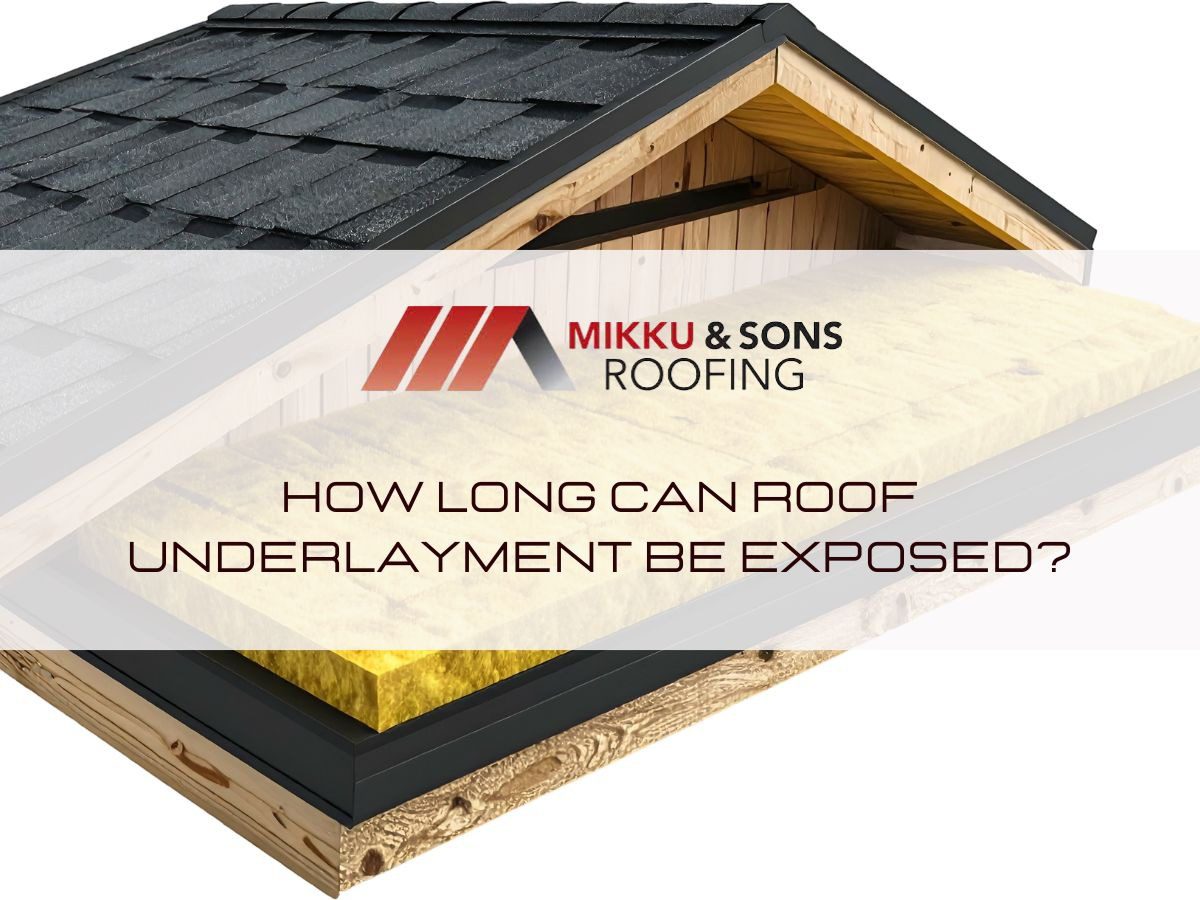
Under your roof's final shingles or tiles lies a critical barrier, the underlayment. This layer provides the primary waterproofing defense for the decking beneath it.
Manufactured as a temporary protective membrane, underlayment is engineered to shield the substrate during construction delays. Its composition directly dictates resilience against ultraviolet radiation and precipitation during exposure periods.
How long can roof underlayment be exposed? Prolonged exposure inevitably degrades the material’s integrity, compromising its fundamental waterproofing function. Determining a precise exposure limit requires analyzing the specific product’s synthetic polymer or asphalt-saturated felt construction.
Beneath the primary roofing material, a secondary membrane performs a critical function. Roof underlayment acts as a secondary line of defense.
Its principal role is to prevent water infiltration from wind-driven rain or ice dam backup that bypasses the outer shingles or tiles. The membrane also protects the structural decking from precipitation during the construction phase.
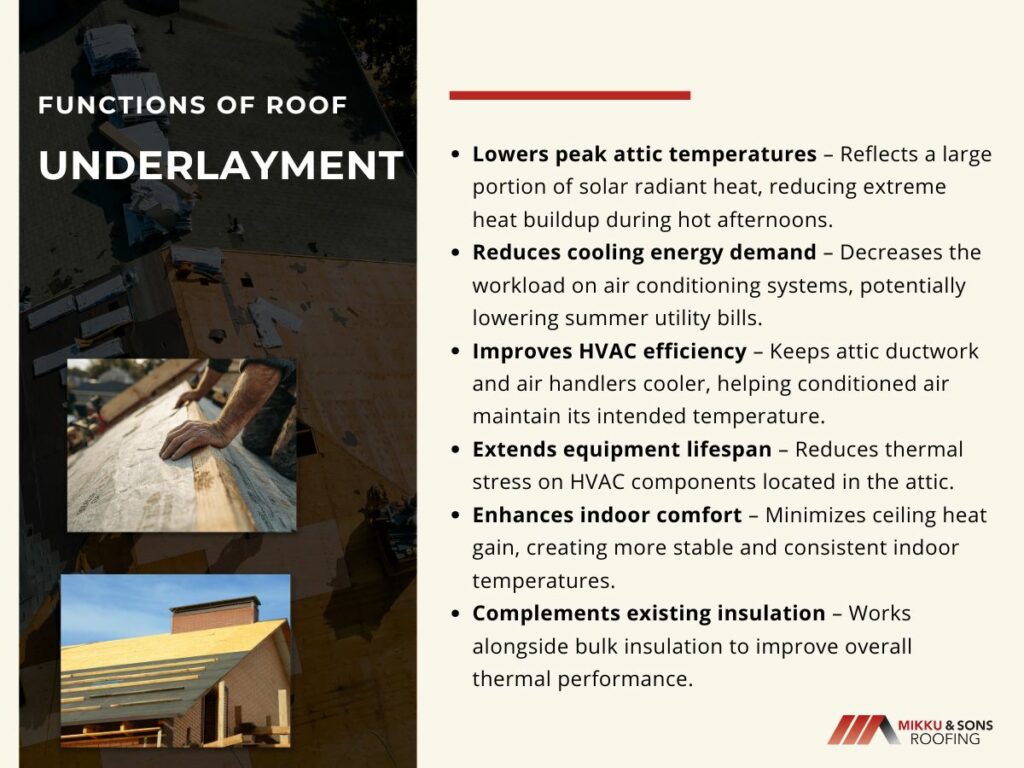
The performance characteristics of underlayment are determined by its base material. The construction industry utilizes several distinct types, each with specific properties that influence durability and exposure tolerance.
Installation of roofing components does not always proceed as a continuous process. Weather delays, material shortages, or scheduling conflicts can leave the underlayment exposed for extended periods.
The material’s composition dictates its capacity to withstand ultraviolet radiation, temperature cycles, and physical abrasion during these intervals. Recognizing the specific limits for each underlayment type is necessary for long-term roof system integrity.
A universal exposure timeframe does not exist for roof underlayment. The permissible duration before final roofing cover installation is a direct function of the material's chemical formulation and physical construction.
Each primary underlayment type possesses distinct vulnerabilities and strengths when subjected to the elements.
Asphalt-saturated felt paper represents the historical standard. This material is manufactured by saturating a mat of organic cellulose fibers or fiberglass with asphalt coatings.
The cellulose base is hygroscopic, meaning it naturally absorbs atmospheric moisture. This characteristic defines its primary limitation.
Prolonged exposure leads to moisture absorption, which causes the felt to wrinkle, swell, and become brittle upon drying. The asphalt coating itself can also soften under high heat, increasing its susceptibility to tearing from foot traffic or wind.
Modern synthetic underlayments are engineered from polypropylene or polyethylene polymers. These materials are inherently non-absorbent and are designed to resist ultraviolet radiation degradation significantly better than felt.
These properties permit a substantially longer exposure tolerance. Many product data sheets indicate a resistance period of 6 to 12 months, though this is a measure of material survival, not a recommendation for indefinite exposure.
Rubberized asphalt underlayment, commonly called ice and water protector, is a self-adhering, modified-bitumen membrane. It is formulated to create a waterproof seal at eaves, valleys, and penetrations.
Its performance relies on the integrity of its adhesive layer as extended exposure presents unique challenges. The adhesive surface can attract and embed airborne dust and debris, compromising its ability to bond with the overlying shingle.
Direct summer sunlight can also over-soften the asphalt, leading to premature adhesive flow or membrane deformation. For these reasons, manufacturers frequently advise immediate covering, often within hours or days of installation, to maintain specified performance.
Manufacturer specifications form the only authoritative source for precise exposure limits. However, general industry guidelines exist for typical products, providing practical frameworks for project planning and material selection.
For traditional 15# or 30# asphalt-saturated felt, the exposure window is narrow. Best practice dictates covering the material with the primary roofing within a maximum of 30 days from its installation.
This guideline assumes stable, dry weather. Any period of rain or high humidity during this timeframe can immediately compromise the felt's performance. The material may absorb moisture, leading to visible wrinkles or puckering that telegraph through the finished roof.
A more conservative approach treats one to two weeks as a safer practical limit to guarantee integrity.
High-quality synthetic underlayment products offer a considerably wider margin for error. Many are engineered and tested to withstand solar ultraviolet exposure for periods ranging from 180 to 360 days without a critical loss of water resistance or tensile strength.
This extended tolerance accommodates common construction delays. It is essential, however, to verify this rating for the specific product batch in use.
The material remains vulnerable to physical damage from foot traffic, falling debris, or high winds during any exposure period, regardless of its UV rating.
Product labels and technical data sheets supersede all general guidelines. Manufacturers conduct specific accelerated weathering tests to determine the exact UV resistance and exposure limits for their products.
This information is printed on the product wrapper or available through official product literature. Failing to consult these documents before an extended exposure event risks voiding the material's warranty and can lead to premature roof system failure.
The installer's responsibility includes verifying these limits prior to product installation.
Exceeding the material's specified exposure tolerance initiates a series of degradative processes. These failures compromise the underlayment's core function, which is to provide a reliable secondary water barrier for the roof deck.
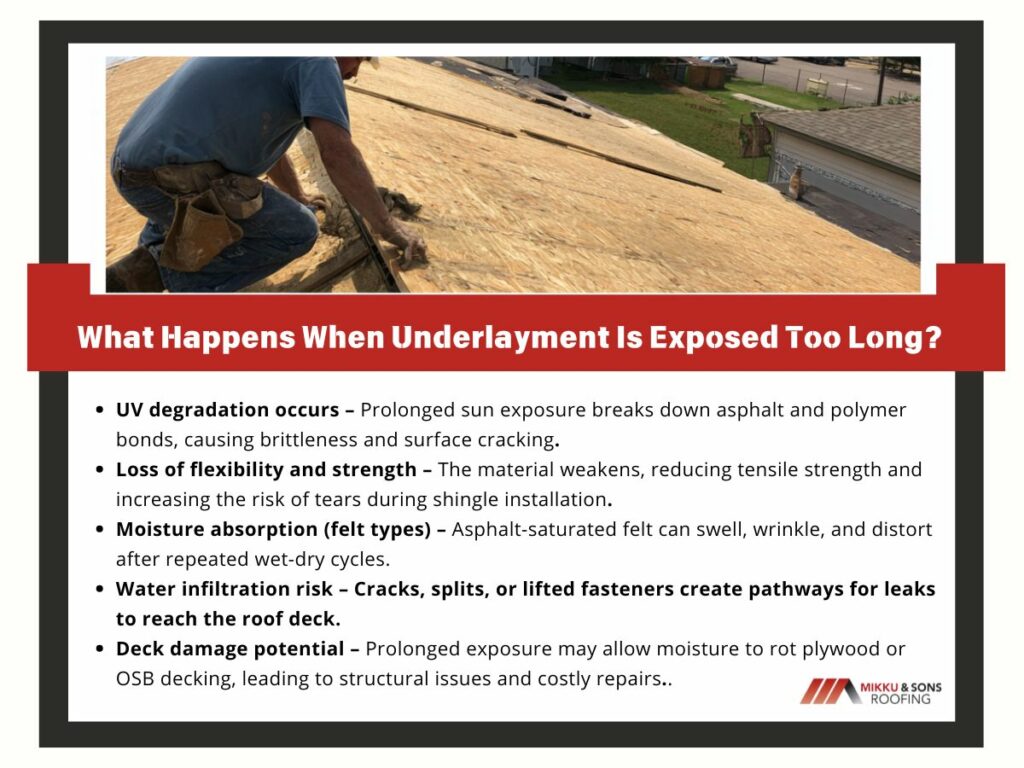
Solar UV radiation acts as the primary agent of chemical breakdown by disrupting the molecular bonds in asphalt, polymers, and reinforcing fibers. This photodegradation manifests as a loss of flexibility and a reduction in tensile strength.
The material becomes brittle and may develop a chalky surface residue. Cracks and splits can form, particularly along fold lines or in areas stressed by thermal movement, creating direct pathways for water infiltration.
Underlayment exposed to rain or prolonged dew absorbs moisture at different rates based on its composition.
Repeated wet-dry cycles, combined with freeze-thaw action, can further degrade the material's structure and adhesive properties.
The failure of the underlayment has direct consequences for the entire roof assembly.
An extended exposure event requires a systematic assessment before proceeding with the installation of the final roof covering. Visual inspection and material verification are critical steps to determine if the underlayment remains viable or requires replacement.
If the underlayment has been exposed for a period well within the manufacturer's published limits and shows no visible defects, installation can typically proceed. A thorough inspection is still mandatory.
Check for any lifting corners, minor wrinkles, or surface debris. Secure any lifted sections with additional cap nails or staples as specified by the underlayment manufacturer.
Remove all surface debris, such as leaves or grit, to ensure a flat substrate for shingle adhesion.
When exposure time approaches or exceeds the specified limit, or if the material's history is unknown, a more rigorous evaluation is necessary.
Findings from the inspection dictate the necessary corrective measures.
A Critical Prohibition: Never install new shingles or metal roofing over underlayment that shows confirmed signs of UV degradation, moisture entrapment, or physical damage. This practice traps compromised materials against the roof deck, guaranteeing future moisture-related failure and negating any product warranties.
The long-term performance of any roof system depends on the integrity of its underlayment, a component designed for protection, not prolonged exposure. Adhering strictly to manufacturer-specified exposure limits remains the only reliable method to preserve its function.
The principles governing felt, synthetic, and rubberized asphalt underlayment exposure apply with equal consequence to tile roof systems. A compromised underlayment beneath tiles can lead to concealed water damage that may remain undetected until significant structural decay occurs.
Replacing tile roof underlayment demands the complete removal of the primary tile covering, a labor-intensive and costly process. Proactive management of exposure timelines during initial installation or repair offers a far more efficient safeguard than the extensive remediation required after a failure.