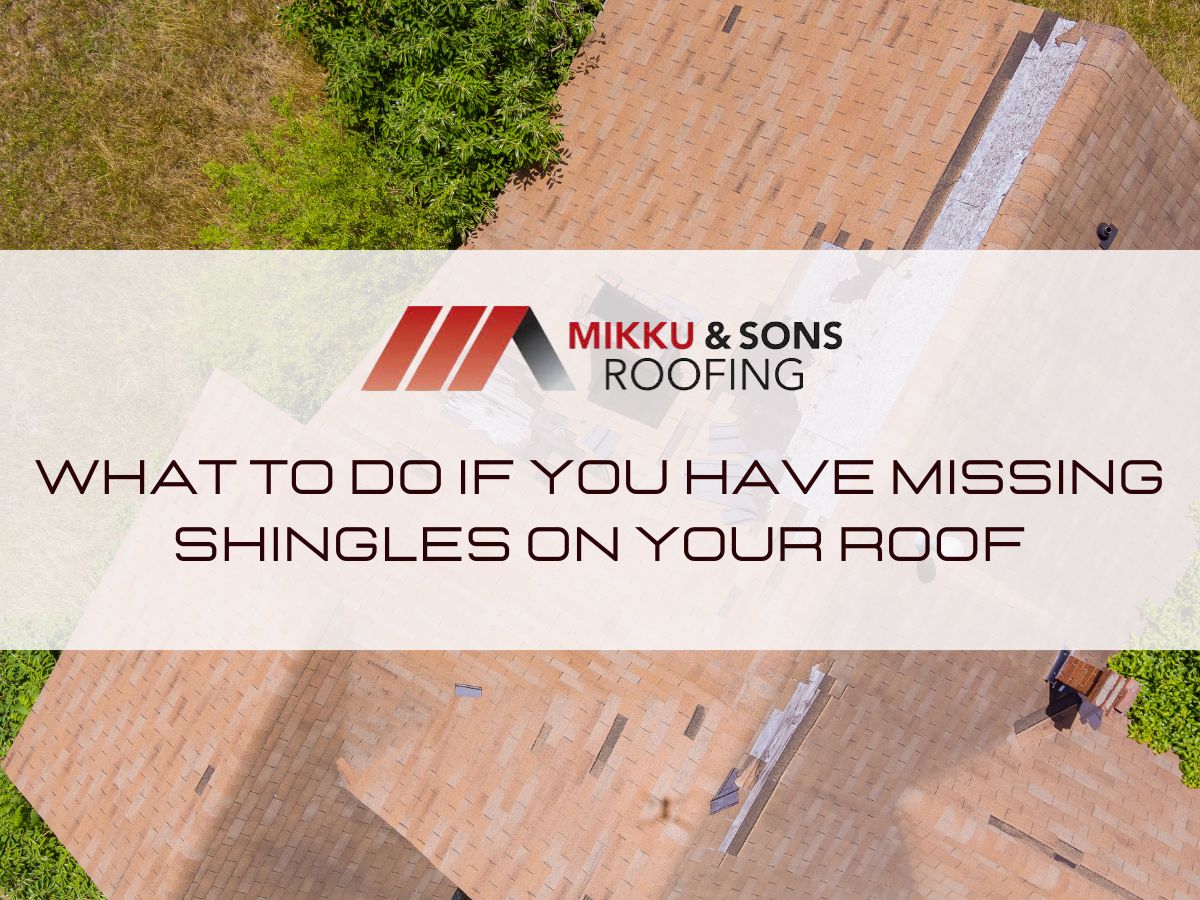
Missing shingles on your roof can leave your home vulnerable to water damage, energy inefficiency, and structural issues. Whether caused by severe weather, aging materials, or poor installation, addressing missing shingles promptly is crucial to preventing costly repairs. Understanding the causes of shingle loss can help homeowners take preventative measures and maintain their roof’s longevity.
This guide covers what to do if you have missing shingles on your roof, how to assess damage, make temporary fixes, and choose the best repair options. It also highlights the risks of ignoring missing shingles and key factors for replacement, helping you protect your home and extend your roof’s lifespan.
Missing shingles can be caused by various factors, ranging from weather conditions to aging materials. Understanding these causes can help homeowners take preventative measures to protect their roofs.
High winds, heavy rain, hail, and snow can loosen or tear shingles off the roof. Storms can also cause debris to strike the roof, leading to further damage.
Over time, shingles deteriorate due to exposure to sunlight, moisture, and fluctuating temperatures. As they age, they become brittle and more prone to cracking, curling, or falling off.
If shingles are not installed correctly, they may not be securely fastened and can detach more easily. Using improper materials or failing to follow manufacturer guidelines can also contribute to premature failure.
Birds, squirrels, and raccoons can damage shingles while searching for food or shelter. Their scratching, pecking, or nesting activities can loosen or remove shingles, leading to potential leaks.
Poor ventilation can cause heat and moisture buildup in the attic, leading to shingle deterioration from underneath. This weakens the adhesive and fasteners, making shingles more likely to come loose.
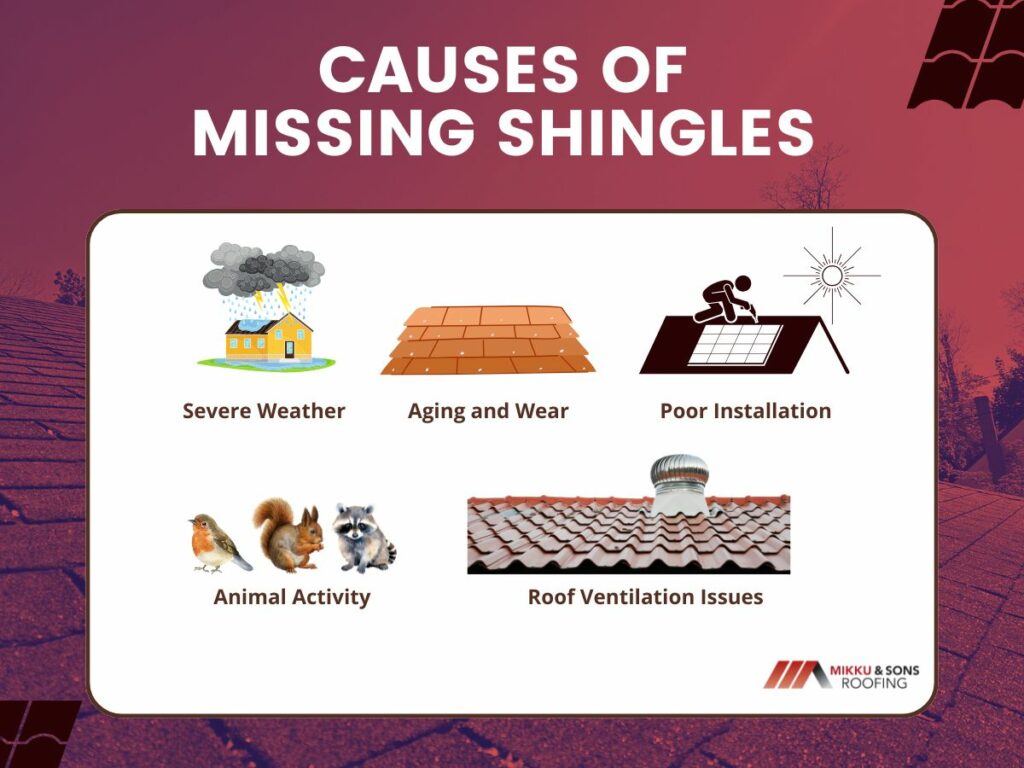
By understanding the common causes of missing shingles, homeowners can take proactive steps to maintain their roofs. Regular inspections and timely repairs can help prevent further damage and extend the roof’s lifespan.
Missing shingles on your roof can lead to leaks and further damage if not addressed quickly. Here’s what you should do:
Begin by visually inspecting the roof from the ground, noting the quantity and location of missing shingles. If it is safe to do so, use binoculars for a closer look. If you have a sturdy ladder and feel comfortable, you can carefully ascend to get a slightly better view but prioritize safety. Never walk on a wet or steep roof. Note any other signs of damage like curled, cracked, or loose shingles.
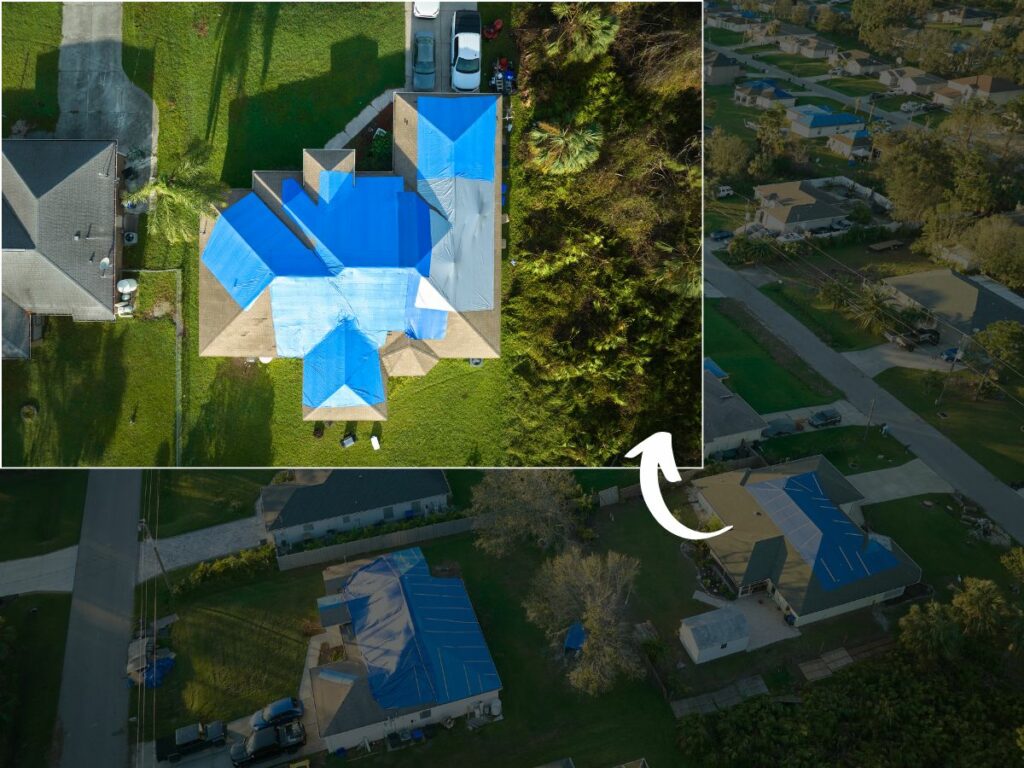
Use a heavy-duty tarp or reinforced plastic sheeting, not just thin plastic. Secure the covering with roofing nails or furring strips, ensuring it's taut and extends well beyond the damaged area. If windy conditions are expected, use extra fasteners and consider weighted objects to prevent the tarp from blowing away.
Obtain quotes from multiple reputable roofing contractors. Verify their licenses, insurance, and references. Ask about their experience with the specific type of shingles on your roof. A reputable roofer will provide a detailed estimate and explain the repair process.
Contact your insurance company immediately and document the damage with detailed photos and videos. Keep records of all communication with your insurer. If possible, get a copy of the police report if the damage was from a storm.
Remove any loose shingles or debris from the surrounding area and gutters. This will prevent further damage and make it easier for the roofer to work.
Maintain a detailed record of all expenses, including materials, labor, and insurance claims. This documentation will be helpful for insurance purposes and future repairs.
After the repairs are completed, conduct a thorough inspection of the roof, ideally with the roofer. Ensure that all shingles are properly installed and that there are no signs of leaks or other damage.
Addressing missing shingles promptly can help maintain your roof’s integrity and prevent costly repairs down the line. Whether you choose a DIY fix or hire a professional, taking action quickly is key.
Missing shingles may seem like a minor issue, but they can lead to serious consequences if left unaddressed. Understanding these risks can help homeowners take timely action to prevent costly damage.
Missing shingles expose the underlying roof structure to rain and moisture, which can lead to leaks. Over time, water infiltration can cause mold growth, wood rot, and interior ceiling damage.
A damaged roof can compromise your home’s insulation, allowing heat or cool air to escape. This can lead to higher energy bills as your HVAC system works harder to maintain a comfortable temperature.
Prolonged exposure to the elements can weaken the roof decking and support structures. If left unchecked, this can lead to costly repairs or even require a full roof replacement.
Gaps in the roof can provide entry points for rodents, insects, and birds. These pests can cause further damage by nesting in the attic and chewing on insulation or wiring.
A roof in poor condition can lower your home's curb appeal and resale value. Potential buyers may be deterred by the need for expensive repairs, making it harder to sell your home.
Addressing missing shingles promptly can prevent these serious consequences and help maintain the integrity of your home. Regular inspections and maintenance are key to avoiding long-term damage and costly repairs.
Replacing missing shingles is essential for maintaining the integrity of your roof and preventing further damage. However, several factors should be considered to ensure a successful and long-lasting repair.
It's important to choose replacement shingles that match the color, style, and material of the existing ones. Mismatched shingles can affect your home’s appearance and may impact its resale value.
Before replacing shingles, check for underlying issues such as water damage or weakened decking. If multiple shingles are missing or the damage is widespread, a partial or full roof replacement may be necessary.
Different types of shingles, such as asphalt, wood, or metal, offer varying durability and weather resistance. Consider your climate and budget when selecting materials to ensure longevity and protection.
While replacing a few shingles can be a DIY project, extensive repairs may require a roofing contractor. A professional can ensure proper installation and identify potential problems that might go unnoticed.
Plan shingle replacement during favorable weather conditions to avoid complications from rain, wind, or extreme temperatures. Spring and fall are often ideal times for roofing work due to mild temperatures.
Taking these factors into account can help ensure a smooth and effective shingle replacement. Proper installation and regular maintenance will keep your roof in top condition and protect your home for years to come.
Taking quick action when you notice missing shingles can prevent costly damage and keep your home well-protected. By understanding the causes, making temporary fixes, and considering the best repair options, you can maintain your roof’s durability and efficiency. Regular inspections and proper maintenance will also help you catch potential issues before they worsen.
Whether you choose to replace shingles yourself or hire a professional, ensuring a secure and weather-resistant roof is essential for your home’s longevity. By staying proactive, you can avoid major repairs, protect your investment, and keep your home safe from the elements.