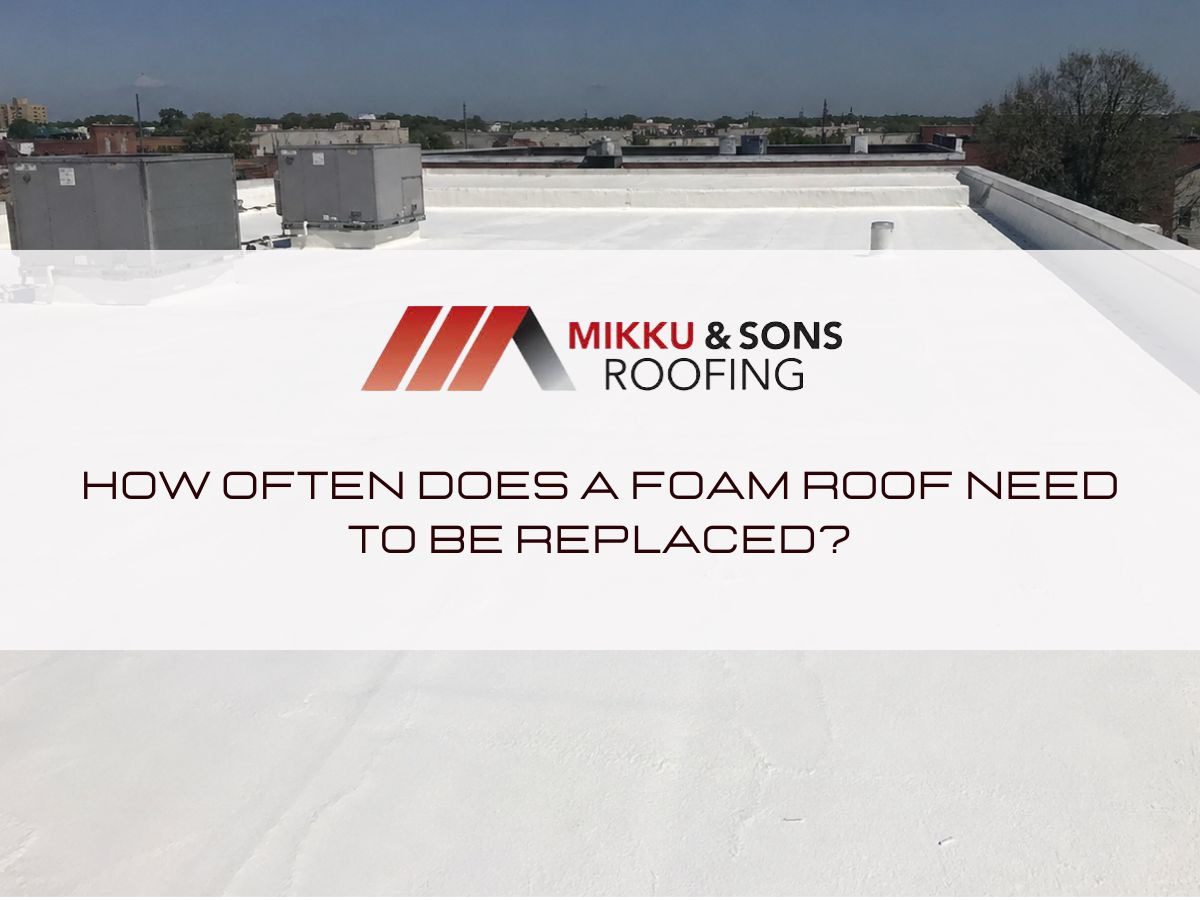
A foam roof typically needs to be replaced every 20 to 30 years, but that timeline depends heavily on maintenance, climate, and installation quality. Many property owners are surprised to learn that replacement is not always required at the first signs of wear, since recoating can extend the life significantly.
Understanding the difference between normal aging and serious damage is key to making the right decision. In most cases, consistent maintenance and timely recoating can delay full replacement and maximize the roof’s lifespan.
How often does a foam roof need to be replaced? This guide explains what affects foam roof longevity, how to spot warning signs, and when replacement becomes the smarter long term investment for property owners.
Foam roofing, also known as spray polyurethane foam roofing, is valued for its durability and seamless design. Unlike traditional roofing systems, it does not rely on seams or overlapping materials, which reduces the risk of leaks.
However, like any roofing system, it will eventually reach the end of its lifespan. The key is knowing whether replacement is truly necessary or if maintenance can extend its usability.
The most important thing to understand is that foam roofs are designed to last decades, not just a few years, when properly maintained. Many building owners mistakenly assume replacement is required once the surface shows wear, but that is not always the case.
In many situations, recoating restores protection and delays full replacement.
Most foam roofs last between 20 and 30 years. This estimate aligns with findings from the National Roofing Contractors Association in 2022, which reported that properly maintained foam systems often exceed their expected lifespan.
The foam itself is highly durable, and in many cases, it is the protective coating that wears down first rather than the underlying material. The thickness of the foam layer also plays a role in longevity.
Thicker applications tend to offer better insulation and durability, allowing the roof to withstand environmental stress more effectively. Over time, regular recoating helps preserve the structure and ensures the system continues performing as intended.
Recoating is one of the most valuable features of foam roofing systems. Instead of removing the entire roof, contractors can apply a new protective layer every 10 to 15 years. This restores the roof’s resistance to UV rays and moisture, effectively extending its lifespan without major disruption.
Full replacement becomes necessary when damage reaches beyond the coating. If the foam core is saturated with moisture or structurally compromised, recoating will not solve the problem. In those cases, replacing the entire system ensures long term durability and prevents further structural issues.
Several variables influence how long a foam roof lasts. While age is often the first consideration, it is rarely the most important one. Environmental exposure, installation quality, and maintenance practices all play a significant role in determining longevity.
The lifespan of a foam roof is shaped more by how it is maintained and protected than by its installation date alone. This means that two roofs installed at the same time may have very different outcomes depending on how they are cared for over the years.
Climate has a direct impact on foam roof performance. In regions with intense sunlight, UV radiation gradually breaks down protective coatings. A 2021 report from the U.S. Department of Energy highlighted that prolonged UV exposure is one of the leading causes of roofing degradation in warmer climates.
Rain and humidity also contribute to wear. While foam roofing is designed to resist water, long periods of standing water can weaken coatings and increase the likelihood of damage. In colder climates, repeated freeze and thaw cycles can cause expansion and contraction, placing additional stress on the roof.
The initial installation process sets the foundation for the roof’s lifespan. A poorly installed foam roof may develop problems early, even if the materials themselves are high quality.
Uneven application, inadequate thickness, or improper curing can all lead to reduced performance.Professional installation ensures that the foam is applied consistently and meets industry standards.
A well installed roof creates a seamless barrier that resists leaks and withstands environmental pressures. This reduces the likelihood of early replacement and improves long term reliability.
Maintenance is often the deciding factor in how long a foam roof lasts. Regular inspections help identify minor issues before they escalate into costly repairs. Most roofing professionals recommend inspections at least twice a year, along with additional checks after severe weather events.
Routine maintenance includes cleaning debris, checking for coating wear, and addressing small cracks or punctures. These simple actions help preserve the integrity of the roof and extend its lifespan significantly. Neglecting maintenance, on the other hand, allows damage to accumulate and increases the risk of early replacement.
Foot traffic is often overlooked, but it has a direct impact on the lifespan of a foam roof. Commercial buildings in particular may experience frequent rooftop access for HVAC maintenance, inspections, or equipment servicing.
Each instance of foot traffic can compress or damage the foam surface if proper walkways are not installed.Over time, repeated pressure can lead to surface wear, cracks, or even punctures in the protective coating.
This type of damage increases the risk of water infiltration and reduces the effectiveness of the roofing system. Installing designated walk pads and limiting unnecessary access can significantly reduce this risk and help preserve the roof’s condition.
The type and quality of coating used on a foam roof play a major role in its durability. Coatings act as the first line of defense against UV rays, moisture, and environmental wear.
Higher quality coatings, such as silicone or acrylic, offer better resistance and longer performance compared to lower grade materials.
Common foam roof coating options include:
According to a 2022 report by the Roof Coatings Manufacturers Association, premium coatings can extend roof life by more than a decade when properly maintained. Lower quality coatings may degrade faster, requiring more frequent reapplications and increasing long term costs. Choosing the right coating material from the start ensures better protection and reduces the likelihood of early replacement.
Knowing when to replace a foam roof requires careful observation and regular evaluation. While some issues can be repaired, others indicate deeper problems that require more extensive solutions. Recognizing these signs early helps property owners avoid more serious structural damage.
Instead of relying only on detailed explanations, some warning signs can be identified quickly during a basic visual check. These indicators help property owners decide when to call a professional for a closer inspection.
This quick checklist simplifies the evaluation process and complements the more detailed explanations that follow. It allows readers to quickly assess their situation before diving deeper into each issue.
When damage extends beyond the surface coating and compromises the foam layer, replacement becomes the most practical and reliable option. This distinction is essential for making informed decisions about roof care and investment.
Surface damage is one of the first indicators of wear. Small cracks or blisters may appear as the protective coating ages. While these issues can often be repaired, widespread damage suggests that the coating has deteriorated significantly.
When the coating fails, the foam underneath becomes exposed to environmental elements. This increases the risk of water infiltration and structural weakening. Addressing these issues early can prevent further damage, but severe cases may require replacement.
Leaks are a clear sign that the roofing system is no longer performing effectively. Even minor leaks can lead to significant problems if left untreated. According to a 2020 study by the Building Envelope Research Council, moisture intrusion is one of the leading causes of premature roof replacement.
Ponding water is another warning sign. While foam roofs can handle occasional water exposure, standing water over long periods can weaken the coating and lead to deterioration. Persistent ponding often indicates drainage issues that need to be addressed.
A roof that requires constant repairs may be nearing the end of its lifespan. While occasional maintenance is normal, repeated issues suggest that the system is no longer functioning efficiently.
Frequent repairs can become costly over time, often exceeding the cost of replacement. In these situations, investing in a new roof may provide better long term value and reduce ongoing maintenance concerns.
Choosing between recoating and replacement is a common challenge for property owners. Both options offer benefits, but the right choice depends on the condition of the existing roof and long term goals.
Recoating is typically the best option when the foam structure remains intact, while replacement is necessary when deeper damage affects the system’s integrity. Understanding the differences helps guide decision making and ensures the best outcome.
| Feature | Recoating | Replacement |
| Cost | Lower | Higher |
| Lifespan Extension | 10 to 15 years | 20 to 30 years |
| Installation Time | Shorter | Longer |
| Structural Changes | Minimal | Complete system renewal |
| Best For | Surface wear | Structural damage |
Recoating is less disruptive and can be completed more quickly, making it a practical choice for extending roof life. Replacement, while more expensive, provides a complete reset and eliminates underlying issues that cannot be resolved through surface treatments.
Extending the life of a foam roof is possible with consistent care and attention. Property owners who take a proactive approach often avoid premature replacement and reduce long term costs.
Consistent maintenance and timely intervention are the most effective ways to maximize the lifespan of a foam roofing system. Even simple steps can make a significant difference in overall performance.
Regular inspections allow property owners to monitor the condition of the roof and identify potential problems early. These inspections should focus on areas prone to wear, such as seams, edges, and drainage points.
By catching issues early, repairs can be made before damage spreads. This proactive approach helps maintain the roof’s integrity and prevents costly replacements.
Addressing minor damage promptly is essential for preserving the roof. Small cracks or punctures can quickly develop into larger problems if ignored. Timely repairs prevent moisture from entering the foam layer and causing structural damage.
This approach not only extends the life of the roof but also reduces overall maintenance costs. Property owners who stay on top of repairs often experience fewer major issues over time.
Protective coatings play a critical role in maintaining foam roofing systems. These coatings shield the foam from UV rays, moisture, and other environmental factors.
Reapplying coatings at recommended intervals helps preserve the roof’s performance.A well maintained coating layer can significantly extend the lifespan of the roof.
This makes recoating one of the most cost effective strategies for delaying replacement.
In real world scenarios, the timing of foam roof replacement depends on performance rather than age alone. While the general lifespan is 20 to 30 years, many roofs continue functioning beyond that range with proper care.
The key is evaluating the condition of the roof regularly and making decisions based on its performance.The decision to replace a foam roof should be based on its condition and functionality, not just the number of years since installation.
This approach ensures that property owners get the most value from their investment while maintaining a safe and reliable structure. Residential buildings often see longer lifespans due to less wear and limited foot traffic.
Commercial properties, on the other hand, may require earlier attention due to increased usage and environmental exposure. Industry guidance from the National Roofing Contractors Association recommends periodic evaluations to determine whether recoating or replacement is the best option.As property owners plan ahead, understanding replacement timing naturally leads to another important topic. Budgeting for foam roof replacement costs and exploring financing options can help ensure that when the time comes, the process is smooth and well prepared.