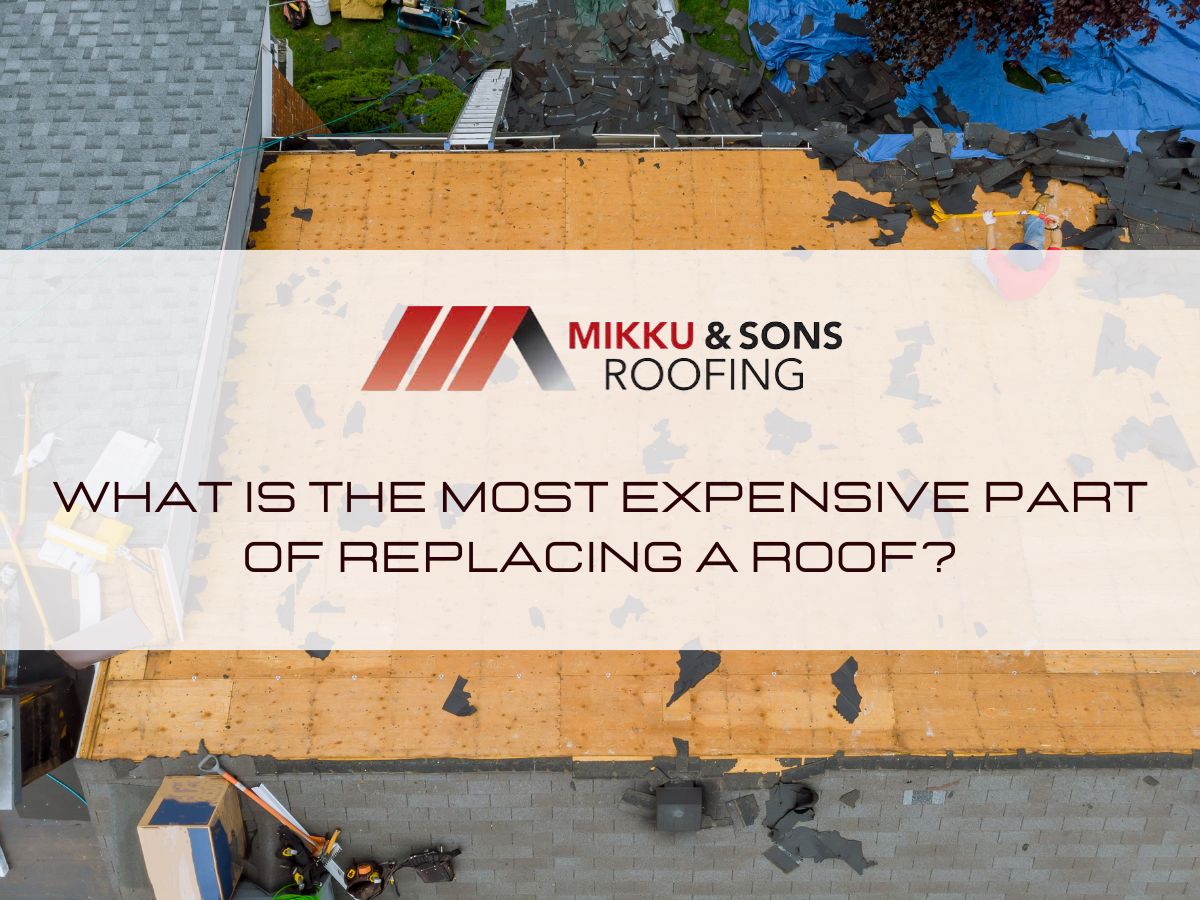
The most expensive part of replacing a roof is usually the labor and structural work, not the shingles themselves. Many homeowners assume roofing materials make up the majority of the cost, but in reality, labor, tear-off work, hidden repairs, and installation complexity often consume the largest portion of the budget.
Depending on the roof type and condition of the home, these costs can quickly increase beyond the original estimate.Roof replacement is one of the biggest maintenance investments homeowners make.
While a new roof improves protection, energy efficiency, and property value, the pricing structure can feel confusing. Some roofs cost only a few thousand dollars, while others climb into tens of thousands.
The difference usually comes down to the roof’s size, slope, materials, accessibility, and the condition underneath the old roofing system. Understanding where the money goes helps homeowners prepare financially and avoid surprises during the project.
What is the most expensive part of replacing a roof? Once you know which parts of roof replacement cost the most, it becomes easier to prioritize quality, compare estimates, and make better long-term decisions.
Labor often accounts for 40 to 60 percent of the total roof replacement cost. Roofing is physically demanding, highly skilled work that requires safety precautions, technical knowledge, and careful installation methods.
Even a high-quality roofing material will fail prematurely if installed incorrectly. Roofing crews do far more than simply place shingles on a house.
They remove old materials, inspect the decking, install underlayment, secure flashing, seal vulnerable areas, and ensure proper ventilation. Each step takes time, precision, and coordination.
The complexity of the roof has a major impact on labor pricing. A simple single-story roof with few angles costs significantly less to replace than a steep roof with dormers, skylights, chimneys, or multiple valleys.
Complex roofs require additional cutting, custom flashing, harness systems, and slower installation speeds.
Roofing is considered one of the more hazardous construction jobs. Contractors must carry insurance, provide safety equipment, and comply with regulations. These operational costs are built into labor pricing.
Weather conditions also affect labor. Roofers often work in intense heat, wind, or cold conditions while handling heavy materials at dangerous heights. Experienced roofing crews charge higher rates because they reduce the risk of installation errors that can lead to leaks or premature failure.
Another reason labor is expensive is the time involved. A large residential roof may require several days or even a full week of coordinated work. Commercial roofs or specialty materials can take much longer.
The shape and design of the roof directly influence labor costs. Roofs with steep slopes require additional safety equipment and slower movement, increasing the time required to complete the job.
Features that increase labor expenses include:
Even the location of the property matters. Homes in urban areas or neighborhoods with limited parking and tight spacing may require extra setup time and specialized equipment.
Hiring skilled roofers may seem expensive upfront, but poor workmanship creates much larger problems later. Improper flashing installation, poor ventilation, or uneven shingle placement can lead to leaks, mold, structural rot, and higher energy bills.
Experienced contractors understand building codes, weatherproofing methods, and manufacturer requirements. Many roofing manufacturers also require certified installation for warranty coverage to remain valid.
Choosing the cheapest contractor often leads to additional repair costs within a few years, which ultimately makes the project more expensive in the long run.
Structural repairs are one of the most unpredictable and expensive parts of replacing a roof. Once contractors remove the old roofing materials, they sometimes discover hidden damage beneath the surface.
Water intrusion is the most common cause of structural issues. Leaks that go unnoticed for years can rot roof decking, weaken rafters, damage insulation, and create mold growth inside the attic.
Many homeowners receive an initial estimate only to face additional costs after the roof tear-off reveals hidden deterioration.
Roofers frequently uncover problems such as:
These issues cannot simply be covered with new shingles. They must be repaired before installation continues, otherwise the new roof will not perform properly.
Water damage spreads slowly over time. A small leak near flashing or vents may eventually affect large sections of the roof structure. Moisture weakens wood, encourages mold growth, and compromises the integrity of the home.
If homeowners switch to heavier roofing materials such as slate or concrete tiles, structural reinforcement may also be necessary. Heavier systems require stronger framing to support the additional weight safely.
Structural repairs are expensive because they involve carpentry work, additional materials, and more labor hours. In severe cases, contractors may need to rebuild sections of the roof framework entirely.
One of the smartest financial decisions homeowners can make is setting aside a contingency budget. Most roofing professionals recommend reserving an additional 10 to 20 percent of the project cost for unexpected repairs.
This extra budget reduces stress if hidden damage appears during the project. Without it, homeowners may face delays or financing challenges halfway through the replacement.
Roofing materials can become the most expensive part of the project when homeowners choose premium systems. While asphalt shingles remain relatively affordable, materials such as slate, metal, and clay tiles dramatically increase costs.
The material choice affects not only the upfront price but also installation requirements, durability, maintenance, and long-term value.
Different roofing systems perform differently depending on climate, aesthetics, and homeowner priorities.
Here is a general comparison of common roofing materials:
| Material | Cost Per Square Foot | Lifespan | Key Advantage |
| Asphalt shingles | $3–$5 | 20–30 years | Affordable and common |
| Metal roofing | $7–$12 | 40–70 years | Durable and energy efficient |
| Clay tiles | $10–$25 | 50–100 years | Long-lasting and attractive |
| Slate roofing | $15–$30 | 75–100+ years | Premium appearance and longevity |
| Wood shakes | $6–$12 | 25–30 years | Natural appearance |
Premium materials often require specialized labor as well. Slate and tile roofing installation is slower and more technically demanding, which further increases overall costs.
High-end materials offer durability and visual appeal, but they also increase labor requirements. Clay and slate tiles are heavy, fragile during installation, and require precise placement.
Metal roofing may seem straightforward, but standing seam systems require specialized equipment and trained installers. Improper metal installation can lead to expansion issues, noise problems, or leaks.
In many cases, homeowners pay more for the installation expertise than for the raw materials themselves.
Tearing off the old roof is another major expense homeowners often underestimate. Before new materials can be installed properly, contractors must remove existing roofing layers and inspect the structure underneath.
The cost of removal depends on roof size, roofing material, accessibility, and disposal requirements.
Several factors influence tear-off pricing:
Older homes sometimes contain several layers of roofing from previous renovations. Removing these layers takes more labor and increases disposal costs significantly.
Roofing debris is heavy and bulky. Contractors must rent dumpsters, transport waste, and pay landfill disposal fees. Materials such as asphalt shingles create substantial waste volume.
Some older roofs may even contain hazardous materials like asbestos, which require specialized removal procedures and significantly higher disposal costs.
Although overlay installations exist, covering old roofing materials with new shingles is usually not recommended. Skipping tear-off can trap moisture, hide structural damage, and shorten the lifespan of the new roof.
Proper tear-off allows contractors to inspect the decking thoroughly and create a stable foundation for the new roofing system.
Permits and building code compliance add unavoidable costs to roof replacement projects. While these expenses may not dominate the budget, they are critical for legal and safety reasons.
Local governments require permits to ensure roofing work meets structural and weather resistance standards.
Roof permits typically involve:
Building inspectors confirm that the installation meets local regulations regarding fire resistance, ventilation, drainage, and wind performance.
Older homes may require upgrades before a new roof can be approved. Contractors may need to improve ventilation systems, reinforce decking, or install additional moisture barriers to comply with modern codes.
These upgrades increase costs but improve the roof’s long-term safety and durability.
Some homeowners try to avoid permit costs, but doing so creates serious risks. Unpermitted roofing work can lead to fines, insurance problems, failed home inspections, and reduced resale value.
If problems develop later, insurance companies may deny claims related to improperly permitted work.
Reducing roof replacement costs is possible without choosing poor-quality materials or inexperienced contractors. Smart planning and informed decisions help homeowners balance affordability with durability.
The goal should not be finding the cheapest roof possible. Instead, homeowners should focus on getting the best long-term value for their budget.
A detailed inspection before replacement helps uncover hidden problems early. Contractors can identify structural concerns, moisture issues, and ventilation problems before the project begins.
This reduces surprise costs during installation.
Expensive roofing systems are not always necessary. Asphalt shingles remain a reliable option for many homes, especially when installed correctly.
Homeowners should balance aesthetics, durability, climate suitability, and maintenance requirements before choosing materials.
Obtaining multiple estimates helps homeowners compare pricing, warranties, and installation methods. The cheapest estimate is not always the best choice, especially if it excludes important components.
A good roofing quote should clearly explain labor, materials, tear-off costs, and warranties.
Roof replacements often uncover hidden problems. Having an emergency reserve helps homeowners handle unexpected repairs without delaying the project.
Financial preparation reduces stress and prevents rushed decisions.
Roofing demand is usually highest during warmer months. Scheduling replacement during slower seasons may reduce labor pricing and improve contractor availability.
However, weather conditions still need to be suitable for proper installation.
The most expensive part of replacing a roof is usually the labor, structural repairs, and hidden work beneath the shingles. While materials certainly affect pricing, much of the total cost comes from skilled installation, tear-off procedures, safety requirements, and correcting underlying structural issues.
Homeowners who understand these costs are better prepared to budget realistically and avoid unpleasant surprises during the project. Investing in quality workmanship and proper materials protects the home far longer than choosing the cheapest option available.
A roof is more than just shingles visible from the street. It is a complete system designed to protect the structure from water, weather, heat, and long-term deterioration. When installed correctly, a quality roof can provide decades of durability, energy efficiency, and peace of mind.
In the end, the true value of roof replacement is not measured only by the upfront price, but by how well the roof performs for years after the project is complete.